
Greece tours bring the country’s best sights within easy reach of every traveler. Couples chase sunsets over white villages, while families climb to ancient temples at a gentle pace. Friends traveling together hop between beaches, and solo visitors find friendly company along the way. Each route mixes famous ruins, island harbours and slow seaside meals.
This guide walks through the main regions, from the Cyclades to Athens, Crete and the old sites of the mainland. It covers what to see, which kinds of trips people take and what comes included. Readers who want more ideas can browse My Greece Tours before picking a route that fits.
What Makes Greece Tours In The Cyclades Worth Booking?
Greece tours in the Cyclades link white villages, quiet coves and old ruins in easy day trips. Boats, guides and meals come arranged for you. Many visitors compare Greece tours and Tours In Greece before choosing which islands to see first. Some islands buzz all night, while others stay sleepy and slow.
Which landmarks are worth the trip in the Cyclades?
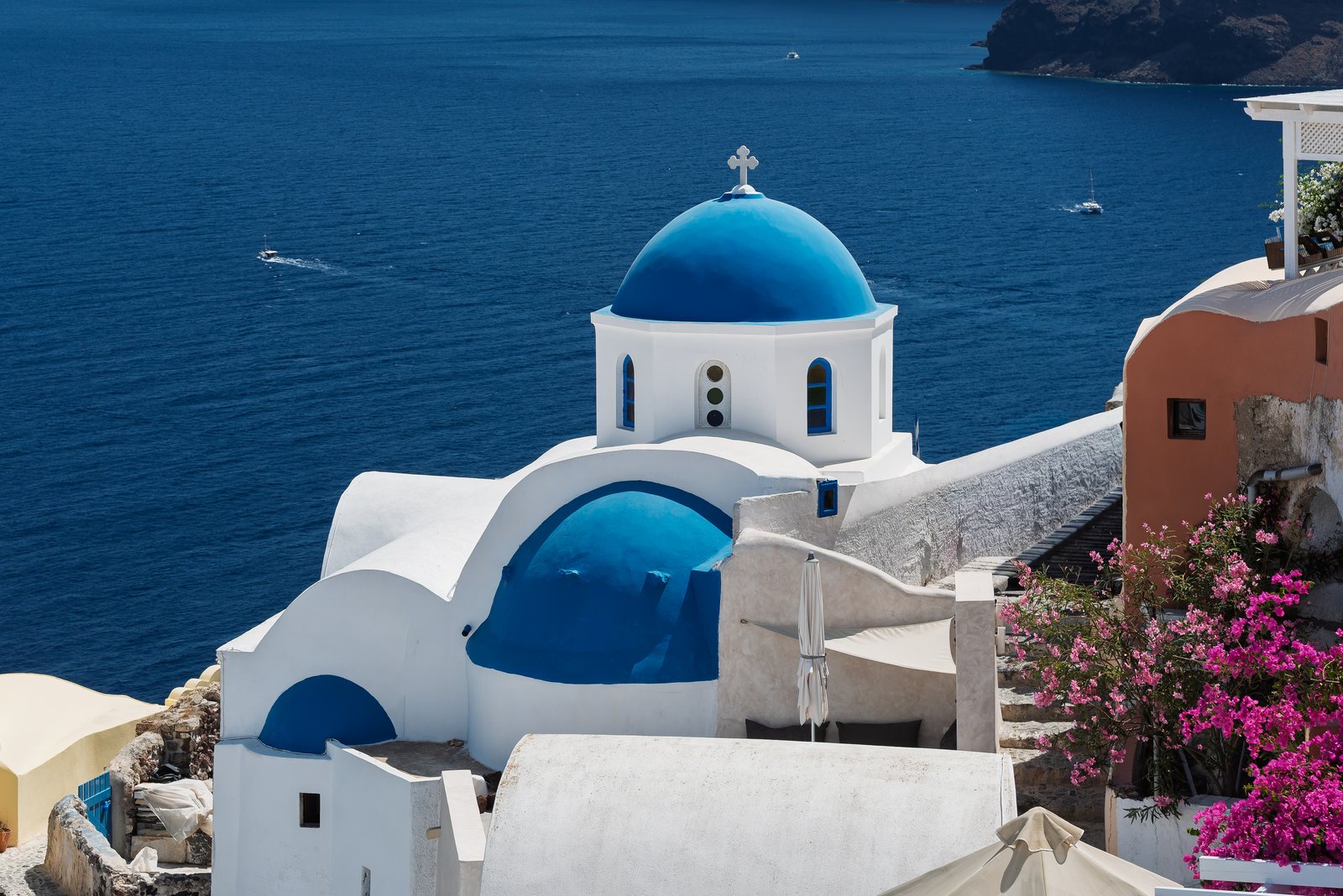
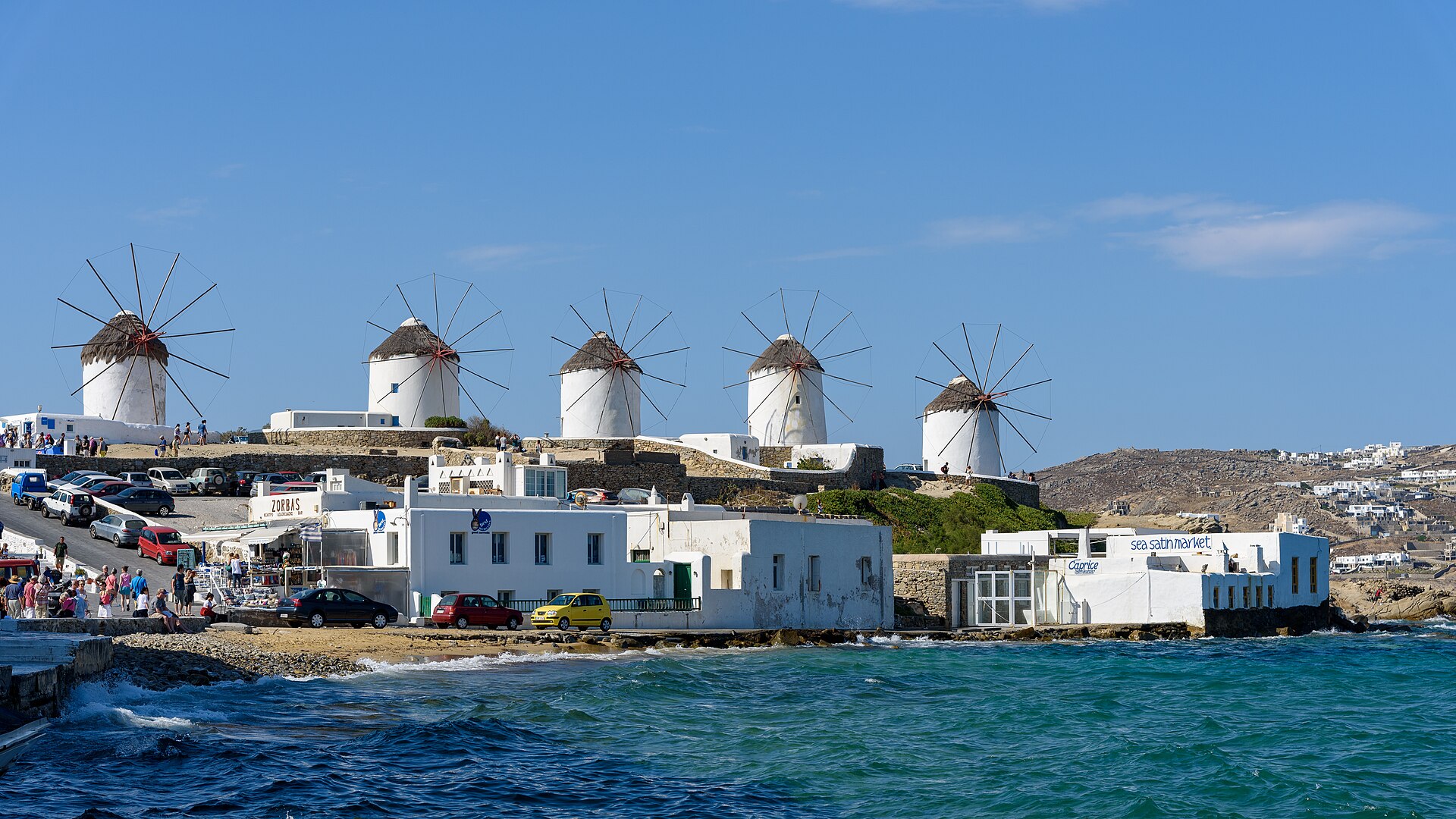
Santorini’s cliff villages sit high above a wide bay that formed after a mighty volcanic blast long ago. White houses and blue domes cling to the rock edge. On Mykonos, a row of old windmills stands on a ridge above the town. They once ground grain for bread, and now they frame golden sunsets.
Close by, the small island of Delos was a holy place for the ancient Greeks. Legend says the gods Apollo and Artemis were born there. Visitors walk past marble lions, old houses and floor mosaics, which are pictures made from tiny stones. Nobody may stay overnight, so the ruins feel calm and open.
Milos is famous for its sea caves and white rock shores, best seen from a boat. Naxos has an old town of narrow lanes below a hilltop castle, plus a huge marble doorway near the port. On Paros, the small harbour of Naoussa fills with fishing boats, and tavernas set tables right by the water.
Which Greece tours work best in the Cyclades?
Private Greece tours with a driver-guide or a skipper suit couples and families who like their own pace. The price covers the whole party, not each person, so friends who share the cost save money. Boat cruises with swim stops please almost everyone, from first-time visitors to keen swimmers.
Full-day trips from Athens by coach link up with a fast ferry and fit solo visitors short on time. Snorkel and beginner scuba trips give active travelers and older children a first look at life under the water. Instructors keep beginners close and safe.
Cooking classes and wine tastings round out Greece tours for food lovers and couples on a slow day. Guests learn to fold cheese pies or sip wines grown in volcanic soil. Classes end with a shared meal at a long table.
Which inclusions matter on Greece tours in the Cyclades?
A lunch or BBQ meal on board saves hungry swimmers from hunting for food in a busy port. Drinks come with most cruises, and some trips pour them without limit. That matters on hot days, when water and cold soft drinks keep everyone fresh. Shade on deck counts as much as the food.
A licensed or local guide turns a pile of stones on Delos into a living story. Snorkel gear on board means nobody has to pack masks or fins. Swim stops at clear coves become the moment people remember most.
Free time to explore lets travelers shop, wander the lanes or rest in a café. Wine tastings, served with island cheese, add a relaxed close to the day. Before booking Greece tours, many travelers check a list of the top Greek islands to visit.
How can you enjoy the Cyclades more?
Book boat trips for the morning, when the sea is calmer and the light is soft. Summer winds pick up later in the day, and waves grow. Travelers who get seasick should sit near the back and watch the horizon. A light jacket helps on deck once the sun drops.
Pack a hat, reef-safe sunscreen, a quick-dry towel and shoes with good grip for rocky beaches. Village lanes are steep and paved with smooth stone, so skip flip-flops on walks. Carry water and a little cash for small cafés that do not take cards. Ferries fill up in summer, so book seats ahead.
What Should You Know About Greece Tours In The Capital?
Greece tours in the capital pack famous ruins, rich museums and lively streets into easy walks. Most sights sit close together, so even a short stay covers a lot. Athens also works as a base for day trips to the coast and the old sites of the mainland. Its food scene is lively, too.
Which landmarks are worth the trip in the capital?
The Acropolis hill rises over the city, crowned by the Parthenon, a marble temple built for the goddess Athena. The word acropolis simply means high city. On the south slope sits the Theatre of Dionysus, where early Greek plays drew big crowds. Stone seats still curve around the stage.
The Acropolis Museum stands at the foot of the hill, with glass floors that show ancient homes below. Nearby, the Roman Agora was a market square when Rome ruled Greece. Its Tower of the Winds once worked as a clock, using sundials and running water. Carvings of the wind gods circle its top.
Hadrian’s Arch, a stone gate named after a Roman emperor, stands near the National Garden and its shady paths. The old quarter of Psyrri buzzes at night with street art, music and tavernas. Out on the coast, the temple of the sea god Poseidon at Cape Sounion glows gold at sunset.
Which Greece tours work best in the capital?
Guided walking tours suit first-time visitors and solo travelers who want the big sights explained clearly. A guide leads the way up the Acropolis and through the old lanes below. Many walks pass free attractions in Athens, so the day stays light on the wallet.
Private Greece tours with a driver-guide or skipper work well for families with young children and anyone who wants door-to-door ease. One price covers the whole car or boat, which helps friends who split the bill. Couples like a private sail along the coast at dusk.
Boat cruises with swim stops leave from the southern coast and please beach lovers who need a break from ruins. Cooking classes and wine tastings fit couples and food fans who want to make dips and taste local wines. Both bring a calm pause between busy sightseeing days.
Which inclusions matter on Greece tours in the capital?
A licensed or local guide matters most in Athens. Only licensed guides may lead talks inside the Acropolis site. They bring the old stones to life with stories of gods and heroes. Kids stay curious when the tales are told well, and adults learn plenty too.
On coastal trips, a lunch or BBQ meal saves time after a long swim. Drinks come with the meal, and some boat days keep them flowing without limit. Swim stops matter in summer, because a dip in the sea cools everyone down after hot city streets.
Wine tastings, paired with cheese and olives, show that Greek wine is more than a holiday drink. A short tasting also makes a nice first evening for solo visitors. When Greece tours include these extras, travelers spend less time planning and more time enjoying the day.
How can you enjoy the capital more?
Start the Acropolis climb early in the morning, before the heat and the cruise crowds arrive. The marble paths are smooth and slippery, so wear shoes with firm soles. Bring a refillable bottle, since fountains around the city offer cold water. Tickets sell out on busy days, so book a time slot ahead.
Save the museum for the hottest part of the day, as its halls are cool and shaded. Late afternoon suits the National Garden, and Psyrri wakes up after dark. A hat, sunscreen and a light scarf for church visits complete the bag. Rooftop bars nearby look straight at the lit Acropolis.
What Can You Expect From Greece Tours In Crete And Beyond?
Greece tours in Crete and beyond bring ancient palaces, pink-sand lagoons and old walled towns. Each island has its own food, music and pace. Ferries and short flights link them with ease. Those heading west to Corfu and Zakynthos often add Kefalonia to the same trip. Travelers rarely run out of things to do.
Which landmarks are worth the trip in Crete and beyond?
The palace of Knossos on Crete was home to the Minoans, an ancient people who traded across the sea. Legend links it to King Minos and the maze of the Minotaur, a monster with a bull’s head. Chania’s old harbour curves past a lighthouse and bright houses built by traders from Venice.
Nearby beaches at Balos and Elafonisi have shallow lagoons with water in shades of turquoise, and Elafonisi has pink sand. Families love the warm, calm shallows, which feel like a natural pool. To the east, the Old Town of Rhodes keeps thick walls and a grand palace that knights built long ago.
On the same island, Lindos stacks white houses below a hilltop acropolis facing a blue bay. Corfu old town mixes Italian-style lanes, shady arcades and seaside forts. On Zakynthos, Navagio is a cove where a rusty shipwreck lies on pale sand below tall cliffs. The view from the cliff top is famous.
Which Greece tours work best in Crete and beyond?
Boat cruises with swim stops are the easiest way to reach Balos and Navagio, and they suit nearly every traveler. Private Greece tours with a driver-guide or skipper fit couples and families who want a quiet cove or a custom route. The fee covers everyone on board, not each seat.
Full-day trips from Athens by coach work for visitors who start in the capital before flying on to the islands. Guided walking tours please history fans in Rhodes and Corfu, where the old lanes twist like a maze.
Entry tickets suit solo visitors and anyone who likes to explore Knossos at their own pace. Cooking classes and wine tastings delight food lovers, who learn Cretan recipes with olive oil, herbs and fresh cheese. Some classes take place in village homes with a garden.
Which inclusions matter on Greece tours in Crete and beyond?
Entry tickets bought ahead let travelers skip the ticket line at Knossos or the palace in Rhodes. A licensed or local guide explains who built these places and why, which helps children follow the story. Without one, Knossos looks like a puzzle of low walls.
On boat days, a lunch or BBQ meal comes hot from the grill, and drinks are part of the deal. Some cruises serve them without limit, so nobody needs to haul a cooler. Swim stops at the lagoons give kids and adults time to float in warm, clear water.
Wine tastings on Crete pair local wines with crunchy barley bread, olives and soft cheese. They give a calm, tasty end to Greece tours that start with long hours in the sun. That slow hour becomes a favourite memory for many travelers.
How can you enjoy Crete and beyond more?
Crete is a big island, so base yourself in the west or the east rather than racing across it. Reach Balos and Elafonisi early, before the crowds fill the shore. Strong winds can cancel boat trips, so keep a spare day in the plan. Sea breezes hide the strength of the sun.
Pack water shoes for rocky coves, a sun hat, and a light layer for evening ferries. Old towns in Rhodes and Corfu have uneven cobbles, so comfy sandals with straps work better than flip-flops. Bring cash for village tavernas off the main roads. Mountain roads take longer than maps suggest.
What Do Greece Tours In Ancient Greece Offer Visitors?
Greece tours in ancient Greece offer oracles, theatres, tombs and sports grounds where famous myths took shape. Expert guides turn ruins into stories anyone can follow. A short list of the top archaeological sites in Greece helps travelers choose where to begin. Many sit within easy reach of Athens by road.
Which landmarks are worth the trip in ancient Greece?
At Delphi, ancient Greeks asked the oracle about their future. The oracle was a priestess who spoke for the god Apollo. The site museum holds the bronze Charioteer, a statue of a chariot driver with lifelike eyes. Farther north, the Meteora monasteries perch on giant rock pillars, where monks once rose in nets.
On the southern mainland, Mycenae holds royal tombs of kings from the stories of the poet Homer. Visitors walk in through the Lion Gate, a stone doorway topped with carved lions. The great theatre of Epidaurus is built so well that a whisper on stage reaches the top row.
Nearby, Nafplio has an old town of shiny stone lanes, bright flowers and a castle on the hill above. It was once the capital of Greece. At Olympia, visitors stand in the stadium where the ancient Olympic Games took place. The Corinth Canal slices through solid rock, with sheer walls dropping straight to the water.
Which Greece tours work best in ancient Greece?
Full-day trips from Athens by coach suit first-time visitors who want Delphi or Mycenae without driving. The coach does the work, and travelers relax between sites. Shared minivan tours with only a few guests please solo travelers and couples who like a calmer, more personal day.
Multi-day Greece tours with hotel nights fit families and history fans who want to see Delphi, Meteora and Olympia without rushing. Guided walking tours reward curious minds at each site, since the guide explains what each ruined building once was. Nights in small towns feel calm and friendly.
Entry tickets alone suit independent travelers with a rental car who like to explore at their own pace. They can linger in Nafplio, then reach Epidaurus as the crowds thin. This option gives the most freedom for early starts and late visits.
Which inclusions matter on Greece tours in ancient Greece?
A licensed or local guide is the biggest gift on these trips. Bare ruins look like scattered stones, but a guide explains temples, altars and treasuries in plain words. Questions are welcome at every stop. Treasuries were small buildings where cities stored gifts for the gods.
Entry tickets included in the price save time at busy gates, especially at Delphi and Olympia in summer. They also remove the stress of buying them on the spot with a crowd waiting behind. Some passes cover the site museums too, which saves another wait.
Hotel nights on multi-day trips matter most for families and older travelers. Breaking the drive means fresh legs at each site and calm evenings in Nafplio or the village below Meteora. Well-planned Greece tours book these rooms ahead, so nobody hunts for a bed late at night.
How can you enjoy ancient Greece more?
Arrive at the big sites when the gates open, while the air is cool and the paths are quiet. Delphi sits on a steep slope, so wear sturdy shoes and take the climb slowly. Shade is scarce at Mycenae and Epidaurus, so carry a hat and plenty of water. Rest in the shade between climbs.
Read a few myths before the trip, since stories about heroes and gods make the ruins far more fun for children. At Meteora, shoulders and knees must be covered inside the monasteries, and wraps are lent at the door. A small torch helps inside the dark tombs at Mycenae.
Conclusion: Greece Tours, Planned Well
Greece tours reward every kind of traveler, from couples watching a Santorini sunset to families tracing myths at Delphi. The Cyclades bring boats and beaches, Athens brings ruins and food, and Crete adds lagoons and palaces. The mainland sites tie it all together with stories of gods and heroes. Each region offers something different.
The smartest plan starts with the traveler, not the map. Decide on pace, budget and comfort first, then match them to private trips, boat days, walks or longer journeys. A guide to choosing the right Greek tour helps with that step. Then Greece tours feel easy from start to finish.
Frequently Asked Questions About Greece Tours
Do Greece tours include a guide?
Most Greece tours include a licensed or local guide, especially at ancient sites where only licensed guides may lead talks. Plain entry tickets and some boat trips come without one, so check the details before booking. A good guide adds stories and local tips that signs leave out.
Can Greece tours be private?
Yes, many Greece tours come as private trips with a driver-guide or a skipper for the day. The price covers the whole party, which suits families and friends who want their own pace and route. Couples enjoy the quiet and the freedom to stop wherever they like.
Can Greece tours mix islands and ancient sites?
Yes, a common plan pairs Athens and a mainland trip to Delphi or Mycenae with a few days on the islands. Ferries and short flights link the regions, so mixing them is simple. Multi-day Greece tours often join both in a smooth loop.
Which month suits Greece tours best?
May and September suit most travelers, with mild heat, clear skies, long days and thinner crowds. July and August bring lively islands but very hot days at the ruins. Greece tours in those peak months work best with early starts and long lunches in the shade.
Are Greece tours good for couples?
Yes, Greece tours suit couples well, whether they want romance or adventure. Boat cruises with swim stops, cooking classes and wine tastings feel romantic, and private trips keep the day personal. Santorini and Lindos add sunset views that couples remember long after the trip.
Which season is quietest for Greece tours?
Winter is the quietest season, with calm ruins and peaceful city streets, though many island hotels close. Late autumn and early spring offer a good balance of mild weather and open sites. Boat trips run less often then, so plan sea days with care and stay flexible.
How do you budget for Greece tours?
Budget for Greece tours by adding the tour price, entry tickets, meals, transfers and tips, then checking what each tour already covers. A short written list prevents surprise costs on the road and shows where a cheaper option makes sense.
What do Greece tours usually include?
Most Greece tours list their inclusions clearly on the booking page, so read that section before paying. Look for transport, a licensed guide, entry tickets, bottled water and any meals. Anything missing from that list becomes an extra cost on the day.
Full-day trips to ancient sites often leave lunch to the traveler. A meal in a taverna, which is a small family restaurant, costs more than a picnic but adds real local flavor. The guide to visiting ancient Greek ruins explains what each famous site offers and how to plan the visit.
Tipping is not required in Greece, yet guides and drivers always appreciate a small thank-you after a good day. Keep some cash for this, since not every small shop, kiosk or village cafe accepts cards.
Hotel pickups are another detail worth checking before booking. Some tours collect travelers from central hotels, while others ask everyone to meet at a fixed point in town. A taxi to a distant meeting point adds to the total cost of the day.
Where can you save money on Greece tours?
Travel outside the busiest summer weeks and Greece tours often cost noticeably less. Spring and autumn bring softer prices, milder heat and fewer crowds at the famous sites. Hotels and ferries usually follow the same seasonal pattern.
Free activities stretch a travel budget further. Walking a marked path costs nothing, and the best hiking trails in Greece pass old chapels, deep gorges and quiet beaches. Public beaches are free as well, even on the most popular islands.
Many travelers mix paid Greece tours with free days on their own. A guided morning at a famous site can lead into an afternoon swim, which keeps costs down without missing the main sights.
Shared tours cost less than private ones, because many travelers split the price of the guide and the vehicle. Private tours cost more but give full control over timing, and families or friends traveling together sometimes find them good value.
How early should you book Greece tours?
Book summer Greece tours weeks or even months ahead, while spring and autumn trips usually need only a few days of notice. Early booking also gives a wider choice of start times, while late booking suits flexible travelers best.
Which Greece tours sell out first?
Sunset boat trips, island day cruises and cooking classes fill up first in the high season. These Greece tours have a firm limit on seats for each date, and trips on the most popular islands sell out fastest.
Activity trips also go quickly, because sea kayaking, rafting and climbing need special gear and trained staff for every person. The guide to outdoor adventures in Greece shows which options run on land, at sea and in the air.
Wine tastings at family estates are another early seller, since many estates host only a few visitors at once. The guide to popular Greek wine regions helps travelers choose an area before the best dates disappear.
Festival days and public holidays add extra pressure on availability. Easter is the biggest holiday in Greece, and many Greek families travel during that week too. Ferries, hotels and day trips all fill early around this busy time.
What changes if you book Greece tours late?
Late booking still works, but the choice shrinks quickly in summer. The best start times disappear first, and some popular days show no available seats at all.
Travelers who book late need to stay flexible about the day and the hour. Weather can even make waiting a smart choice, since boat trips depend on wind and calm seas.
Some travelers book sea trips only after checking a calm forecast for the coming days. Always read the cancellation terms before paying, because free cancellation gives room to change plans while strict terms mean losing the payment.
How do couples pick Greece tours?
Couples pick Greece tours by matching the pace and setting to what both people enjoy, such as sunsets, village lunches or wine. A quick talk about interests before booking avoids a long day that only one person enjoys.
Which Greece tours suit a slow, romantic trip?
Many couples prefer Greece tours with a gentle, unhurried pace. A sunset sail, a walk through a hillside village or a long lunch by the sea all fit this relaxed style. Small touches, like a quiet table or a late start, matter more than a packed schedule.
Village visits are a favorite choice for couples. The guide to traditional Greek villages to visit covers stone lanes, small squares and family bakeries that stay calm in summer.
Couples who enjoy photography can plan their days around the light. Early morning and late afternoon give softer colors and fewer people in the frame. The photography tips for Greece tours explain how to capture white houses, blue doors and the bright Aegean Sea.
Private boat trips are also popular with couples. A skipper, the person who steers the boat, takes them to quiet coves that cars cannot reach. Swimming in clear water far from the crowds becomes a highlight for many pairs.
How do couples with different interests share Greece tours?
Not every couple likes the same things on holiday. One person loves history while the other wants beaches, so split days solve the problem neatly. A guided site visit fills the morning, and free time follows after lunch.
Myth lovers enjoy places linked to ancient gods and heroes. The top Greek mythology sites turn old stories into real places, which keeps both people interested. A good guide tells these tales in a lively, memorable way.
Art fans can add a museum visit to the plan. The guide to Greek art and museums shows which halls hold marble statues, painted vases and ancient gold jewelry. A short museum stop fits well between a beach morning and a dinner out.
Food brings almost every couple together on Greece tours. Cooking classes, market walks and long dinners work for both the history fan and the beach lover. These shared meals often become the favorite memory of the whole trip.
How do you manage tickets for Greece tours?
Manage tickets for Greece tours by keeping every booking, entry ticket and ID in one place, with printed backups for safety. Check names and dates the moment a confirmation arrives, since mistakes are easier to fix early.
How do entry tickets work on Greece tours?
Some Greece tours include entry tickets, while others leave them to the traveler. Check this detail before the day, since lines at the big sites grow long in summer. Official websites sell timed tickets for many famous places.
Inside Greek archaeological sites and museums, only state-licensed guides may lead tours. This rule protects the quality of what visitors learn. Reading about Greek history you should know beforehand makes the stories of the guide much easier to follow.
Students and children often receive reduced or free entry at state-run sites. Bring a valid ID or student card to show at the gate, because staff charge the full ticket without it.
Which tools and papers help with Greece tours?
A simple folder on the phone keeps every ticket in order. Name each file by place and day, so the right one opens quickly at the gate. Screenshots work even when the mobile signal drops.
Some sites check bags or ask for ID, so keep both ready at the entrance. Learning about famous Greek architecture styles also adds meaning to each ticketed visit, since columns, temples and theaters make more sense.
Legends add another layer to many visits on Greece tours. The myth-to-map travel guide links famous stories to real places across the country. A charged phone and a small power bank keep these tickets and guides close at hand.
Printed copies still matter, because phone batteries drain fast in the summer heat. Some remote mountain spots also have a weak signal, so a paper backup in a dry pocket saves the day.
Which Greece tours suit young children?
Young children enjoy short Greece tours with plenty of breaks, shade, snacks and simple fun such as boats, beaches or easy walks. Half-day trips usually work better than long days, because small children tire quickly in the summer heat.
What makes Greece tours easy for little ones?
The best Greece tours for small children keep travel time short and activity time long. A boat ride to a nearby beach, a visit to a farm or a gentle nature walk holds their attention well.
Food stops matter just as much as the sights. Colorful markets offer fresh fruit, warm bread and sweet treats that tempt even fussy eaters. The guide to food markets in Greece lists good options city by city.
Shade and water are essential from late spring to early autumn. Morning starts help families finish the main activity before the hottest part of the day, then rest after lunch.
Animals and water win over most young children quickly. Donkey paths on the islands, turtle-spotting boat trips and shallow sandy bays keep small travelers happy for hours. Simple joys like these often matter more to them than famous ruins.
Parents can pack a small day bag for every outing. A few simple items make each trip smoother and calmer for everyone:
- Sun hats and child-safe sunscreen
- Refillable water bottles
- Light snacks and fresh fruit
- Swimwear and a small towel
- A favorite toy or picture book
Which day trips work best for families?
Short trips close to the base hotel work best with young children. The list of day trip ideas from Athens includes coastal towns, temples by the sea and easy island hops within reach.
Island trips are a favorite for many families, since the ferry ride itself feels like an adventure. The practical guide to island tours from Athens explains how to plan these outings without stress.
Flexible plans help families more than tight schedules. A tour that allows an early return or a private car with a patient driver removes much of the stress. Car seats for small children need to be requested in advance, since not every vehicle carries them.
Ancient sites on Greece tours can also work for small children when the visit stays short. A guide who tells stories about gods, heroes and monsters keeps young minds busy. Strollers struggle on rough stone paths, so a baby carrier is often the better choice.
Which Greece tours suit teenagers?
Teenagers prefer Greece tours with action, freedom and good photo spots, such as kayaking, snorkeling, hiking or a lively island day. Giving them a say in the plan keeps them interested from the first day to the last.
Which active Greece tours do teenagers enjoy?
Many teenagers enjoy Greece tours that test their energy and skills. Sea kayaking along rocky coasts, snorkeling in clear bays and climbing to hilltop castles all deliver real excitement.
Walking tours can also hold their interest when the route has a strong story. The guide to exploring Greece on foot covers city routes, old trade paths and mountain trails. Teens often like seeing street art and busy markets as much as temples.
Island hopping is another big hit at this age. Learning how to travel between Greek islands by ferry or plane helps families plan routes that keep everyone moving. Fast ferries and open decks feel exciting to most teenagers.
Water sports suit confident swimmers best. Paddleboarding, sailing lessons and clear swimming coves give teens a sense of freedom, while instructors keep the activity safe. Life jackets and a clear safety talk come with every well-run sea outing.
How do Greece tours keep teenagers engaged?
Teenagers stay engaged when they feel part of the decision. Letting them choose one activity each day, such as a beach, a museum or a hike, builds real interest. Phones become handy tools for maps, photos and quick research.
Hidden corners appeal to teens who want something different from the crowds. The guide to hidden gems in Greece points to quiet villages, wild coasts and lesser-known ruins. These places make great stories to share with friends back home.
Teens also enjoy places with a strong sense of story. Ancient theaters, old castle walls and myths about heroes feel real when a guide brings them to life. A quick challenge, like spotting a symbol or a carving, adds a playful twist.
Many Greece tours also offer cooking or pottery workshops that suit curious teenagers. Practical activities break up long sightseeing days and teach a useful skill. A good guide also explains history in plain words, without long lists of dates.
Which Greece tours suit adults?
Adults can choose almost any Greece tours, from history days and wine tastings to long hikes, scenic drives and slow island escapes. The best choice depends on energy, interests and how much time the trip allows.
Which Greece tours fit active adults?
Active adults often pick Greece tours that combine movement with beautiful scenery. Long hikes through gorges, bike rides between villages and sea kayaking all offer this mix.
Nature lovers can explore wetlands, forests and protected coastlines too. The guide to the best Greek nature reserves covers wildlife, birdwatching spots and quiet trails. These places reward early starts with cool air and empty paths.
Responsible travel matters to many adults today. The tips on sustainable travel in Greece explain how to support local businesses, save water and respect fragile places. Small choices like these help keep the country beautiful for future visitors.
Which relaxed Greece tours do adults choose?
Many adults prefer slower Greece tours built around food, wine and landscapes. Scenic road trips are a strong choice, because the journey itself becomes the highlight. The guide to scenic drives in mainland Greece covers mountain roads, coastal routes and quiet villages.
Where travelers sleep also shapes the whole trip. The list of eco-friendly stays in Greece includes stone guesthouses, farm stays and small hotels that care for nature. These stays often serve breakfast made from local produce.
Evenings on these Greece tours tend to be long and slow. Dinner starts late in Greece, often after sunset, and meals stretch on with long conversation. Adults who enjoy this rhythm often call it the best part of the trip.
Which Greece tours suit seniors?
Seniors enjoy Greece tours with a gentle pace, short walks, comfortable transport, shaded rest stops and guides who allow plenty of time. Many older travelers prefer fewer stops per day, with more time at each place.
Which comfortable Greece tours work for seniors?
Train journeys are a relaxing choice for older travelers. The guide to scenic train rides in Greece covers routes through mountains, gorges and olive country. Comfortable seats, large windows and no driving make these trips easy on the body.
Many seniors also enjoy Greece tours by coach or private car. Good options include hotel pickups, air conditioning and regular stops for coffee and restrooms. A short walk at each site keeps the day pleasant rather than tiring.
Archaeological sites often have uneven ground, steps and little shade. Sturdy shoes, a hat and a walking stick help a lot. Visiting early in the morning avoids both the heat and the busiest crowds.
How do seniors plan Greece tours with ease?
Seniors gain the most from Greece tours when they check the walking level before booking. Tour pages usually describe the terrain, the steps and the time spent on foot. A quick message to the organizer clears up any doubts.
Health needs deserve attention before any long trip. Pharmacies are common across Greece, even in small towns, and staff often speak English. Travelers on regular medicine pack enough for the whole stay, plus copies of their prescriptions.
Island trips also suit seniors when the ferry ride is short and the port has good access. Morning crossings often meet calmer seas than afternoon sailings in the windy months. A hotel near the harbor saves long transfers with heavy bags.
Rest days keep energy high across a longer trip. A slow morning in a seaside cafe, a short harbor walk or an afternoon nap all count as part of the holiday. Seniors who pace themselves enjoy their Greece tours far more.
Which places do Greece tours visit?
Greece tours visit sunny Aegean islands, famous ancient sites on the mainland and large islands with long beaches, old towns and mountains. Each area shows a different side of the country, so many travelers combine more than one. Travel between them is easy by ferry, plane or road, depending on the route.
Islands
The Cyclades are a ring of islands in the Aegean Sea, known for white houses, blue domes and windmills. Greece tours here mix beach time, village walks, local food and boat trips between quiet bays. Each island has its own mood, from lively nightlife to quiet fishing harbors.
- Santorini: volcanic cliffs, white villages and famous sunsets over a flooded volcano crater
- Mykonos: lively beach clubs, old windmills and the colorful Little Venice waterfront
- Naxos: long sandy beaches, mountain villages and the giant marble Portara gateway
- Paros: pretty fishing harbors, golden sandy beaches and windsurfing on breezy bays
- Milos: white volcanic rocks at Sarakiniko, sea caves and colorful fishing huts
Mainland
Mainland Greece holds many of the most famous ancient sites in the world, spread across mountains, valleys and coasts. Greece tours here focus on temples, theaters and old stories about gods and kings. Several sites work as long day trips from Athens, while others fit better as stops on a road trip.
- Athens: the Acropolis, the Parthenon temple and lively streets full of family restaurants
- Delphi: the ancient oracle, where people asked the gods about the future
- Meteora: monasteries perched on top of giant rock towers above a green valley
- Olympia: the birthplace of the ancient Olympic Games and its old stadium
- Mycenae: the Lion Gate and the tombs of legendary early Greek kings
Large islands
The large islands feel like small countries of their own, with mountains, towns and long coastlines. Greece tours on these islands often cover old fortresses, local food and beaches in a single trip. Travelers with more time stay longer here, since distances inside each island are much bigger than on the small islands.
- Crete: Knossos palace ruins, the long Samaria Gorge and pink sand beaches
- Rhodes: a walled old town built by knights, sunny beaches and clear sea
- Corfu: green hills, old forts built by Venice and an elegant old town
- Zakynthos: the famous Shipwreck Beach, sea turtles and bright blue sea caves
How do you plan Greece tours over five days?
Plan Greece tours over five days by spending two days in Athens, one at a mainland site and two on an island. This simple shape balances history, scenery and sea without rushing between too many places. The same plan works for couples, families, friends and solo travelers alike.
Days one and two: Athens first
Athens makes the natural starting point for Greece tours, since most international flights land there. The first morning belongs to the Acropolis, the rocky hill crowned by the Parthenon temple. Arriving early beats the heat and the longest lines.
The afternoon suits the Acropolis Museum and a slow walk through Plaka, the old quarter below the hill. Its narrow lanes hold small shops, flower-filled steps and shaded cafes. Dinner on a rooftop with a view of the lit-up Parthenon ends the first day well.
Food is part of the fun on Greece tours in Athens. The central market shows piles of olives, spices and fresh fish. Souvlaki, grilled meat wrapped in warm pita bread, makes a quick and cheap lunch nearby.
The second day covers the Ancient Agora, the old marketplace where Athenians met to trade and debate. Later, a trip to the coast at Sounion shows the Temple of Poseidon above the sea at sunset. The seven-day Greece itinerary shows how to stretch this plan with more time.
Day three: Delphi or Meteora
The third day leaves the city for a famous mainland site. Delphi sits on a mountain slope above an olive valley, while the monasteries of Meteora rise on towering rocks further north. Both make a long but rewarding day trip from Athens.
Delphi suits travelers who love myths and ancient history. Meteora suits those who prefer dramatic views, quiet chapels and easy walks between viewpoints. Either choice adds welcome variety after two busy days in the capital city.
Delphi visits usually include the museum, home of the famous bronze Charioteer statue. Meteora visits stop at several monasteries, each with painted walls and calm courtyards. Early departures help travelers reach both places before the midday heat.
Travelers who prefer to plan alone can follow a self-guided Greece itinerary and book transport themselves. Others choose guided Greece tours for this day, so the driving and the history talk are covered. Comfortable shoes and plenty of water make the long day much easier.
Days four and five: an island escape
The last two days belong to the sea. Fast ferries from Athens reach several Cyclades islands in a few hours, so Paros, Naxos or Mykonos all work well. Santorini also fits, though the trip there takes longer.
Day four starts with the morning ferry and a lazy afternoon on the beach. Day five can include a boat trip, a village walk or a cooking class before the evening ferry back to Athens.
Island Greece tours on these days often include sunset cruises, snorkeling trips or tastings of local cheese and wine. Booking the ferry back early matters in summer, since boats fill fast on popular routes.
The guide to Greek island hopping explains how to link islands on a longer trip. For a five-day plan, one island keeps Greece tours relaxed and avoids losing time on boats.
More questions about Greece tours
These quick answers cover the practical questions travelers ask most about Greece tours, from food and walking pace to bags and booking. Each answer comes first, followed by a short and useful tip for the road.
Can you bring snacks on Greece tours?
Yes, most Greece tours allow small snacks and bottled water, which help a lot on long days between meals and sites. Museums and many ancient sites do not allow eating inside, so snacks wait for breaks outside. Light, non-messy snacks like nuts, fruit, crackers and cereal bars work best in the heat.
Are Greece tours fine for people who walk slowly?
Yes, many Greece tours suit slow walkers, especially private tours, boat trips and scenic drives that keep walking short and flexible. Ancient sites often have uneven stones and steps, so sturdy shoes help. A quick message before booking confirms the pace and the terrain.
Can a family book a private boat on Greece tours?
Yes, families can book private boats on many Greece tours, with a skipper who chooses safe coves and calm swimming spots. A skipper is the trained person who steers the boat and knows the local waters. Private trips let parents set the pace, with time for snacks, swims and naps.
Can you pay for several Greece tours in one booking?
Yes, many organizers offer package bookings that combine several Greece tours, transfers and hotels into one payment and one confirmation. A single booking keeps all the details in one place. Always check the cancellation terms for each part before paying.
Which bag suits Greece tours best?
A light backpack or a small crossbody bag suits Greece tours best, because it leaves hands free on steps, boats and streets. Some ancient sites and museums do not allow large bags inside. A small bag also keeps valuables close and safe in crowded places like markets and metro stations.
What should you pack for Greece tours?
Pack sun protection, a refillable water bottle, comfortable walking shoes, swimwear and a light layer for windy boat trips or cool evenings. Modest clothing covering shoulders and knees is needed for monasteries and churches. A small power bank keeps the phone ready for tickets and photos.
See more in Ilektrologosthessaloniki:
